|

|

|

|

Author: Zackary Michael

Halo vs. Moxi Laser: Which One Is Right for Your Skin?

If you’ve been researching laser skin treatments, you’ve probably come across both Halo and Moxi — and you might be wondering what the difference is and which one makes more sense for you. Both are Sciton lasers, both treat skin tone and texture, and both are available at Beauty Lab & Laser Center in Winchester, VA. But they’re designed for different skin concerns, different lifestyles, and different levels of commitment. Here’s an honest side-by-side breakdown to help you decide.

The quick version

Moxi is the gentler, lower-downtime option — ideal for maintaining healthy skin and getting ahead of aging before it becomes a bigger issue. Halo is the more powerful option — designed for clients who want dramatic, comprehensive skin rejuvenation and are willing to accept a week of downtime to get it. If you’re in your 20s or 30s and focused on prevention and maintenance, Moxi is likely your treatment. If you’re dealing with significant sun damage, uneven tone, fine lines, or texture concerns and want serious results, Halo is the one to look at.

What is Moxi?

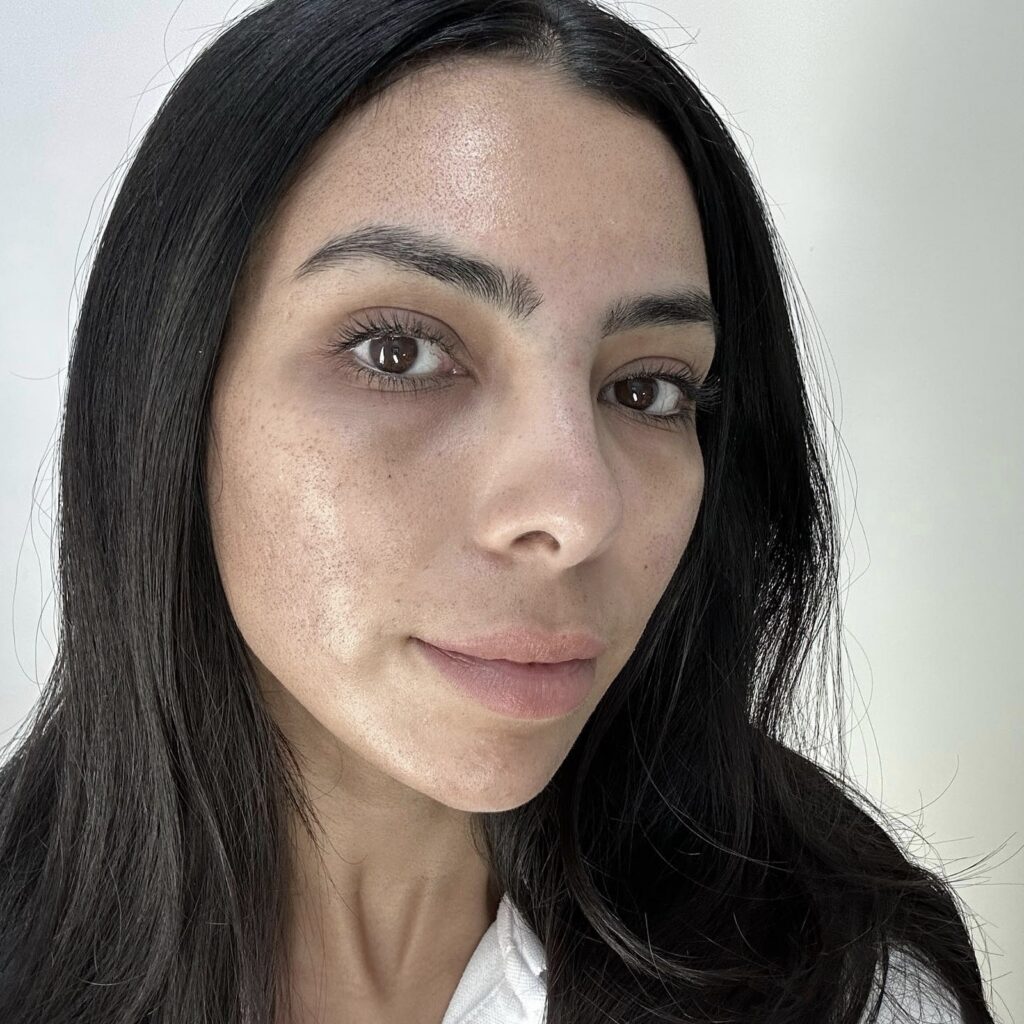
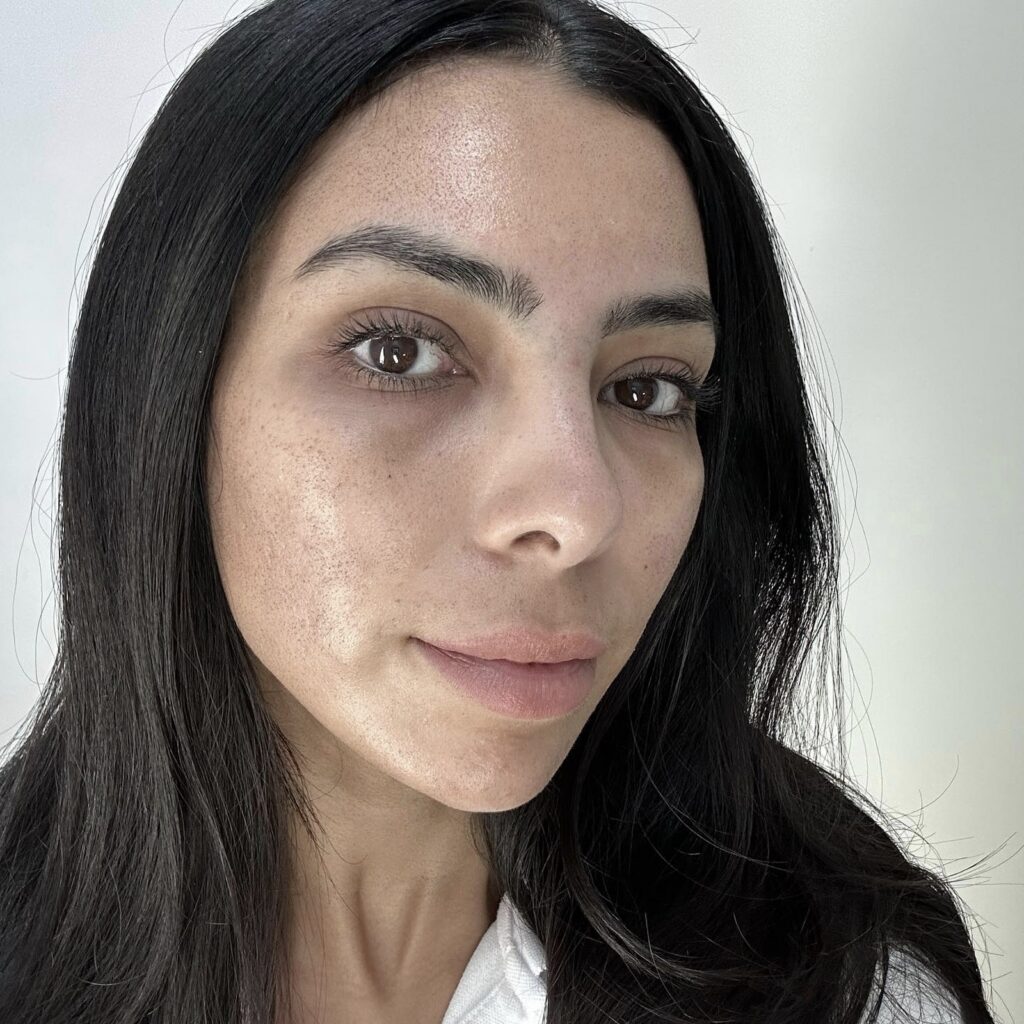
Moxi is a non-ablative fractional laser — meaning it delivers laser energy in a pattern of microscopic columns into the skin without removing the surface layer. This triggers the skin’s natural healing response, stimulating collagen production and accelerating cellular turnover without disrupting the skin’s barrier. The result is improved tone, texture, and radiance with minimal downtime.

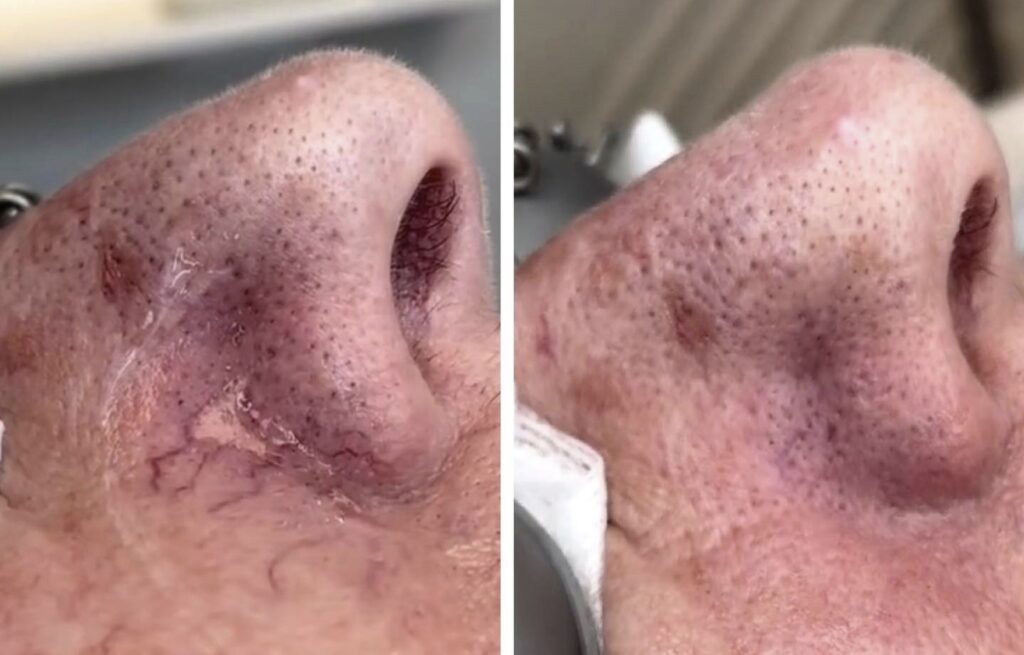
Most clients experience 2–4 days of mild redness and what are called MENDs — microscopic epidermal necrotic debris — which appear as tiny dark dots on the skin’s surface. These shed naturally within a week, revealing smoother, brighter skin underneath. Most clients are back to their normal social routine within 3–4 days.

Moxi is often described as a “maintenance laser” — something you do 3–4 times per year to keep your skin looking its best and prevent early signs of aging from progressing. It’s also safe year-round, including in the summer months when more aggressive lasers are off-limits.

What is Halo?

Halo is the world’s first hybrid fractional laser — it delivers both ablative and non-ablative wavelengths simultaneously in a single treatment pass. This is significant because it means Halo can address both the surface of the skin (ablative) and the deeper dermal layers (non-ablative) at the same time, achieving results that would otherwise require two separate laser treatments.

The ablative component removes a precise fraction of the skin’s surface, directly improving texture, tone, and the appearance of fine lines. The non-ablative component penetrates deeper to stimulate collagen remodeling that continues improving for months after treatment. The combination delivers dramatic, comprehensive results that clients often describe as getting “teenage skin back.”

Downtime with Halo is real — expect 5–7 days of social downtime. The skin will appear bronzed and textured for the first several days as MENDs shed, revealing the fresh, rejuvenated skin underneath. Most clients return to work within a week, though redness may persist for slightly longer with full results continuing to develop over 1–3 months.

Halo vs. Moxi: a direct comparison

Best for: Moxi is best for prevention, maintenance, and clients with mild concerns. Halo is best for moderate to significant sun damage, fine lines, uneven texture, and clients seeking dramatic rejuvenation.

Downtime: Moxi involves 2–4 days of minimal social downtime. Halo involves 5–7 days of more significant downtime.

Results: Moxi delivers subtle, cumulative improvement with a series of treatments. Halo delivers dramatic, visible improvement often achievable in 1–2 treatments.

Sessions needed: Moxi typically requires 3–4 treatments per year. Halo often achieves significant goals in 1–2 treatments with annual maintenance.

Season: Moxi is safe year-round. Halo is best performed in fall or winter when sun exposure can be more easily avoided during recovery.

Can you combine Halo and Moxi?

Yes — and many clients do. A common approach is to start with a Halo treatment for a dramatic reset, then maintain results with quarterly Moxi sessions. This gives you the best of both worlds: the dramatic improvement of Halo and the ongoing maintenance and prevention benefits of Moxi.

Both treatments also pair beautifully with BBL photofacial for comprehensive skin rejuvenation that addresses tone, texture, and vascular concerns all at once.

Which laser is right for you?

The best way to find out is to come in for a consultation at Beauty Lab & Laser Center in Winchester, VA. Your provider will assess your skin, discuss your goals and lifestyle, and make a personalized recommendation based on what will actually get you the results you’re looking for.

Learn more about Halo laser treatments or learn more about Moxi laser treatments — or book your consultation today and let us help you decide.

What to Expect at Your First Med Spa Appointment in Winchester, VA

If you’ve been curious about visiting a med spa but haven’t taken the plunge yet, you’re not alone. A lot of people feel a mix of excitement and nerves before their first appointment — especially if they’re not sure what to expect when they walk through the door. At Beauty Lab & Laser Center in Winchester, VA, we’ve worked with hundreds of first-time clients, and we’ve found that the anxiety almost always disappears within the first five minutes. Here’s a complete walkthrough of what your first visit looks like, from the moment you book to the moment you leave.

Step 1: Booking your appointment

Your first appointment at Beauty Lab & Laser Center begins with a consultation — not a treatment. Before we perform any procedure, we want to understand you: your skin concerns, your goals, your medical history, and what you’re hoping to achieve. This gives your provider the information they need to recommend the right treatments and make sure those treatments are safe and appropriate for you.

You can book your consultation online through our website or by calling us at (540) 550-5915. When you book, let us know which treatments you’re interested in or what concerns you want to address — even if you’re not sure yet, that’s completely fine.

Step 2: Preparing for your appointment

For most consultation and facial appointments, there’s very little preparation required. Arrive with a clean face if possible, and avoid wearing heavy makeup. If you’re coming in for an injectable treatment like Botox or fillers, avoid alcohol, blood thinners (aspirin, ibuprofen, fish oil), and excessive caffeine for 24–48 hours before your appointment to minimize the risk of bruising.

For laser treatments, you’ll need to avoid sun exposure and self-tanner for at least two weeks prior. Full pre-care instructions will be sent to you when you book, and your provider will review them with you at your consultation.

Step 3: Arriving at Beauty Lab & Laser Center

We’re located at 812 Amherst St, Suite 302 in Winchester, VA. When you arrive, you’ll be greeted by our team and asked to fill out a brief intake form covering your medical history, current skincare routine, medications, and aesthetic goals. This form helps your provider prepare for your consultation and ensures your safety throughout the treatment process.

Our space is designed to feel calm, clean, and welcoming — not clinical or intimidating. We want you to feel comfortable from the moment you walk in.

Step 4: Your consultation

Your provider will sit down with you to review your intake form, ask follow-up questions, and assess your skin or the areas you want to treat. This is a two-way conversation — we encourage you to ask every question you have, share any concerns, and be honest about what you’re hoping to achieve. There are no wrong questions and no judgment.

Based on this assessment, your provider will make personalized recommendations and explain exactly how each treatment works, what results you can realistically expect, what the process involves, and any downtime or aftercare requirements. You’ll receive a full cost breakdown before anything is agreed upon.

Step 5: Your treatment (if same-day)

Many clients choose to proceed with their first treatment on the same day as their consultation — especially for lower-commitment treatments like facials or Botox. Others prefer to go home, think it over, and schedule a separate appointment. There’s absolutely no pressure either way. We’d rather you feel completely confident before your first treatment than rush into something you’re not ready for.

If you do proceed on the same day, your provider will walk you through every step of the process as it’s happening. Comfort measures like topical numbing cream are available for injectable and laser treatments.

Step 6: Aftercare and follow-up

Before you leave, your provider will give you specific aftercare instructions for whatever treatment you received. These instructions are also available on our website under Pre-Care & Post-Care Instructions. If you have any questions or concerns after your appointment, you can reach us by phone or text and a member of our team will get back to you promptly.

For injectable treatments, we schedule a two-week follow-up to assess your results and make any adjustments needed. For laser and skin treatments, your provider will recommend a follow-up schedule based on your treatment plan.

What treatments are available at Beauty Lab & Laser Center?

We offer a comprehensive range of medical aesthetic and laser services including Botox injections, dermal fillers, lip fillers, HydraFacial, laser hair removal, Halo laser, BBL photofacial, Moxi laser, and medical weight-loss injections. Whether you’re starting with something simple or ready to explore more advanced treatments, we’ll help you figure out the right starting point.

Book your first appointment at Beauty Lab & Laser Center in Winchester, VA today. We can’t wait to meet you.

How Many Laser Hair Removal Sessions Do You Actually Need?

It’s one of the first questions almost every new laser hair removal client asks: “How many sessions will I need?” It’s a fair question — you want to know what you’re committing to before you start. The honest answer is that it depends on several factors specific to you, but there’s a solid framework for what most clients can expect. Here’s a complete breakdown.

Why laser hair removal requires multiple sessions

Laser hair removal works by targeting the pigment (melanin) in the hair follicle. When the laser energy is absorbed by the follicle, it generates heat that damages the follicle and inhibits its ability to produce future hair growth. The catch is that this process only works when the hair is in its active growth phase — called the anagen phase.

At any given time, only about 20–30% of your body hair is in the anagen phase. The rest is in the transitional (catagen) or resting (telogen) phase, where the follicle is not actively connected to the hair shaft and therefore not responsive to laser treatment. This is why you need multiple sessions spaced several weeks apart — each treatment catches a new batch of follicles in their active growth phase, progressively reducing the total number of active follicles over time.

How many sessions does the average client need?

For most clients, the standard recommendation is 6–8 sessions spaced 4–6 weeks apart for body areas, and 4–6 weeks apart for facial areas. By the end of a full series, most clients see 80–90% permanent reduction in hair growth in the treated area. Some clients achieve even greater reduction; others may need occasional maintenance sessions once or twice a year to address any residual regrowth.

It’s important to note that “permanent reduction” is the accurate term — not permanent elimination. Some fine, light regrowth is possible over time, but it’s typically much finer and lighter than the original hair and easily managed with a single maintenance session.

Factors that affect how many sessions you’ll need

Hair color and thickness

Laser hair removal works best on dark, coarse hair. The laser targets melanin — so the more melanin in the hair, the more effectively the energy is absorbed and the more damage is done to the follicle. Dark brown and black hair responds fastest and typically requires fewer sessions. Light brown hair responds well but may need a few additional sessions. Blonde, red, gray, and white hair contain very little melanin and may not respond as well to traditional laser hair removal — your provider will discuss realistic expectations during your consultation.

Skin tone

Modern laser systems are designed to treat a range of skin tones safely. The key is using the right technology and settings for your specific skin-to-hair contrast. Clients with darker skin tones may require more conservative settings for safety, which can mean slightly more sessions. Your provider will assess your Fitzpatrick skin type before treatment to determine the optimal approach.

Treatment area

Different areas of the body have different hair growth cycles and densities. The bikini area and underarms tend to respond faster than legs, which have a longer growth cycle. Facial hair, particularly on the upper lip and chin, can sometimes be more hormonally driven and may require additional sessions or periodic maintenance.

Hormonal factors

Hormonal changes — from conditions like PCOS, pregnancy, or menopause — can stimulate new hair growth in treated areas even after a full series of sessions. This doesn’t mean the treatment didn’t work; it means new follicles have been activated by hormonal shifts. Maintenance sessions address this effectively.

What to do between sessions

Between your laser hair removal sessions at Beauty Lab & Laser Center, you can shave as needed — but do not wax, thread, or pluck. The laser needs the hair root intact in the follicle to work. You should also avoid sun exposure and self-tanner on treated areas for at least two weeks before and after each session, as tanned skin absorbs more laser energy and can increase the risk of side effects.

Is laser hair removal worth it?

For the vast majority of clients, absolutely. When you factor in the lifetime cost of razors, waxing appointments, threading, and the time spent on all of it — laser hair removal is a genuinely worthwhile investment. Most clients describe the freedom from their hair removal routine as one of the best quality-of-life improvements they’ve made.

At Beauty Lab & Laser Center in Winchester, VA, we offer laser hair removal for virtually every area of the body with advanced technology calibrated for your individual hair and skin profile. Your provider will give you a personalized session estimate at your consultation so you know exactly what to expect.

Learn more about laser hair removal at Beauty Lab & Laser Center or book your consultation today.

Botox vs. Dermal Fillers: What’s the Difference and Which One Do You Need?

Botox vs. Dermal Fillers: What’s the Difference and Which One Do You Need?

If you’ve ever Googled “should I get Botox or fillers,” you’re not alone. It’s one of the most common questions we hear at Beauty Lab & Laser Center in Winchester, VA — and the confusion makes complete sense. Both treatments are injectable, both are minimally invasive, and both can dramatically improve the appearance of aging skin. But they work in completely different ways, treat different concerns, and are not interchangeable. Here’s everything you need to know to make the right choice for your face and your goals.

The fundamental difference between Botox and fillers

The easiest way to understand the difference is this: Botox relaxes muscles, fillers add volume. That’s the core distinction everything else flows from.

Botox (botulinum toxin type A) works by temporarily blocking the nerve signals that tell facial muscles to contract. When those muscles can’t move, the skin above them smooths out — softening the wrinkles that form from years of repeated expressions like squinting, frowning, and smiling. Botox doesn’t add anything to the face. It simply quiets muscle activity in targeted areas.

Dermal fillers, on the other hand, are gel-like substances — most commonly hyaluronic acid — that are physically injected into the tissue to add volume, fill in creases, and restore structure. Think of them as the scaffolding that holds your face up. As we age, we lose fat, bone density, and collagen — and fillers replace what time takes away.

What Botox treats best

Botox is the right choice for dynamic wrinkles — lines caused by muscle movement. These include horizontal forehead lines that appear when you raise your eyebrows, the vertical “11” lines between your brows that form when you frown, and crow’s feet around the eyes that deepen when you smile or squint. Botox can also be used for a lip flip, brow lifting, jaw slimming, neck bands, and hyperhidrosis (excessive sweating).

If you look in the mirror and notice the lines appear when you make an expression but mostly disappear when your face is at rest, Botox is likely the right treatment. If the lines are visible even when your face is completely relaxed, you may need fillers — or a combination of both.

What dermal fillers treat best

Fillers excel at treating static concerns — things that are visible regardless of facial movement. These include hollowed cheeks, loss of definition in the jawline, deep nasolabial folds, marionette lines, under-eye hollows, thin or asymmetric lips, and a receding or weak chin. Fillers restore the three-dimensional structure of the face that naturally diminishes with age.

If you look in the mirror and feel like your face looks tired, sunken, or deflated — even when you’re not making any expression — fillers are likely what you need. Volume loss, not muscle activity, is driving the concern.

Can you get Botox and fillers at the same time?

Absolutely — and many clients do. Combining Botox and fillers in what’s often called a “liquid facelift” is one of the most effective non-surgical approaches to comprehensive facial rejuvenation. Botox handles the upper face while fillers restore volume in the mid and lower face. Together they address virtually every sign of facial aging without a single incision.

At Beauty Lab & Laser Center, your provider will assess your face as a whole and recommend the combination — and the amounts — that make the most sense for your specific anatomy and goals. We never push treatments you don’t need.

How long does each treatment last?

Botox typically lasts 3–4 months, after which muscle activity gradually returns and